
Be prepared for emergencies
Emergencies such as severe weather, flooding, power cuts or water supply interruptions can happen with little notice. A few simple preparations can make disruption easier to manage and help you support the people you care for.
You do not need to do everything at once. Start with the steps that are most useful for your household and make sure you review your arrangements from time to time.
Keep informed

Keeping up to date with reliable weather and flood information can give you time to protect your property, change travel plans and check whether friends, relatives or neighbours need support.
- If your home or business in England is at risk of flooding, sign up for free flood warnings by text, phone or email.
- Subscribe to Met Office weather-warning emails and check the latest forecast during unsettled weather.
- Follow the advice in any official warning or emergency alert you receive.
Register for priority support
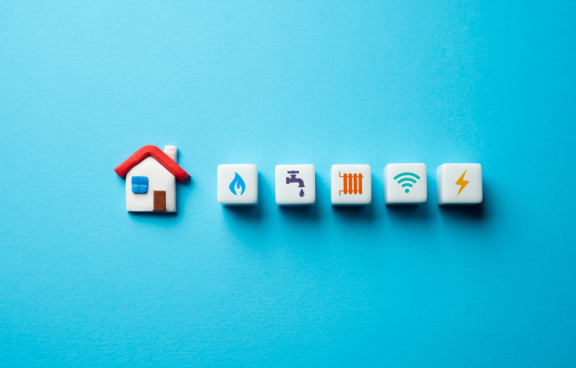
The Priority Services Register is free. It helps electricity, gas and water companies know if someone requires extra support, including during an interruption to supply.
Visit the Priority Services Register website to check eligibility, to identify your provider and find out how to apply.
Create an emergency kit
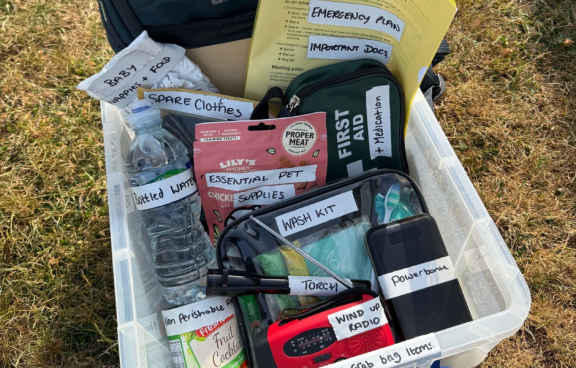
Think about what your household might need during a disruption lasting a few days, such as a power cut or water outage, or if you are advised to stay at home or leave temporarily.
Keep useful items in one easy-to-find place, ideally somewhere accessible if the lights are not working. You may also wish to keep essential items in a small, easy-to-carry bag such as a rucksack, in case you are advised to leave home. The contents should reflect your household’s needs.
Important: If there is a fire or another immediate danger, leave straight away, follow the emergency services’ instructions and do not delay to collect a bag. Call 999 if someone is in immediate danger.
The items will vary from household to household, but you could include:
- essential medication, a first aid kit and a copy of any prescription or medical-device instructions
- a battery or wind-up torch and radio, with spare batteries if needed
- a charged portable power bank and charging cables
- bottled water - A minimum of 2.5-3 litres of drinking water per person per day is recommended by the World Health Organisation for survival. 10 litres per person per day will make you more comfortable by also providing for basic cooking and hygiene needs.
- a few days of food that does not need refrigeration or cooking. Plus, tin opener
- copies of important documents and useful contact numbers in a waterproof wallet
- basic toiletries, sanitary products, hand sanitiser and wet wipes
- spare clothing suitable for the season
- spare glasses or contact lenses
- essential supplies for babies, children or anyone you care for
- pet food, medication, a water bowl and a suitable carrier where needed
- simple comfort items or activities for children and adults
For more information visit: Get prepared for emergencies - Prepare
Make a household emergency plan
A short plan can help everyone know what to do. Discuss it with the people you live with and keep a paper copy somewhere easy to find. A template can be found on Prepare.gov.
- Write down important phone numbers, including your utility suppliers and people you may need to contact.
- Agree how you will contact one another and where you could meet if you cannot return home.
- Know the safest way to leave your home and consider where you could stay temporarily.
- Plan for medication, mobility, communication or care needs, including the needs of pets.
- Know where the water, gas and electricity controls are, to turn supplies off when it is safe and you have been advised to do so.
- Check your plan and supplies periodically, replacing expired items and keeping devices charged.